
Apex Booking Record Access
Apex booking records are generated at the Wake County Detention Center. The Apex Police Department provides law enforcement for the town from 205 Saunders Street, Apex, NC 27502. Officers who arrest someone in Apex transport them to the Wake County facility for processing. Each booking creates a log entry with the date, time, charges, and personal details of the individual. These 24 hour booking records are part of the public record system under North Carolina law. The Apex Police non-emergency number is (919) 362-8661 for questions about local arrest records.
Apex 24 Hour Booking and State Law
North Carolina Chapter 132 defines public records as all documents made in connection with public business by any government agency. Booking records from the Wake County Detention Center fall under this rule. So do arrest reports from the Apex Police Department. The law gives every person the right to inspect these records without stating a reason.
Statute §132-1.4 lists the specific arrest information that stays public. The name, sex, age, and address of the person arrested are open. The charges and the time and place of the arrest are open. Circumstances like pursuit, resistance, weapons used, and items seized are also available. These rules apply to all Apex 24 hour booking entries without exception.
Apex Arrest Records and Wake County
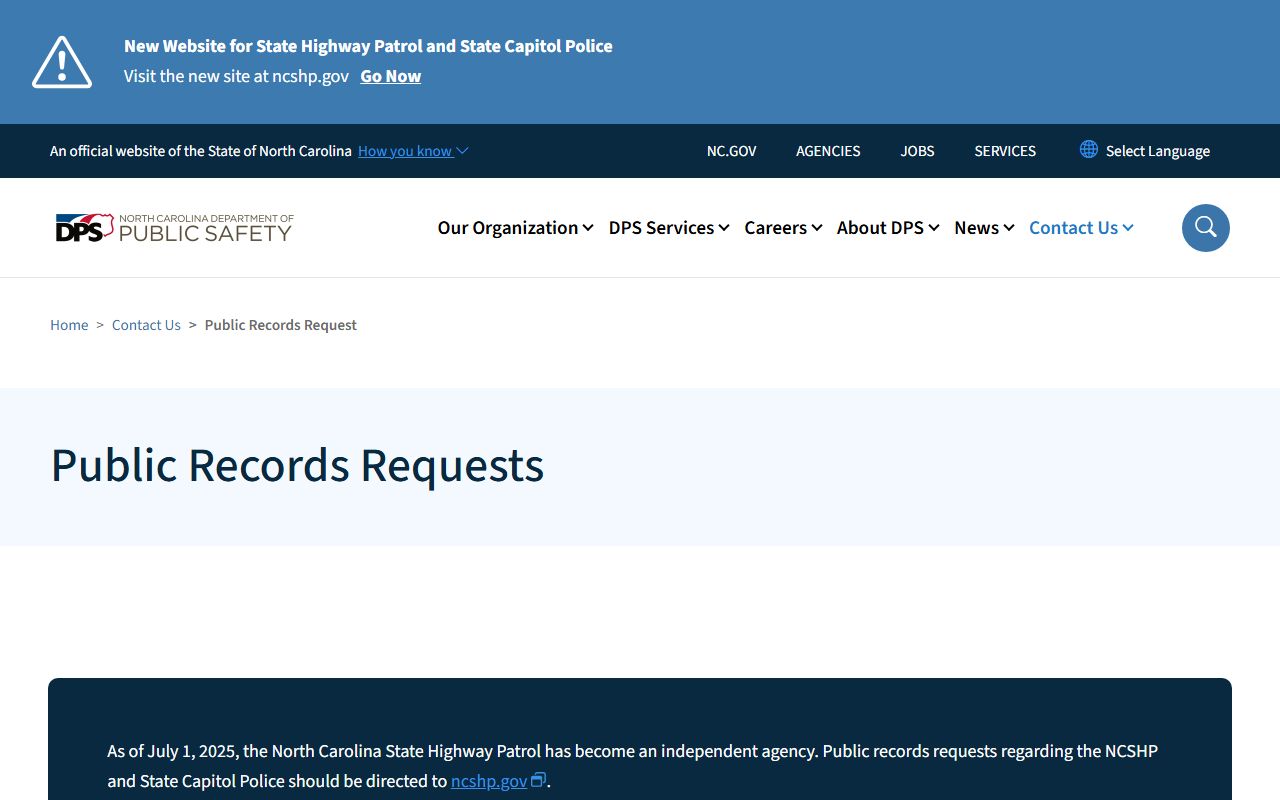
Individuals arrested in Apex go to the Wake County Detention Center. The NC Department of Public Safety outlines the public records request process for state-level agencies.
Wake County is one of the largest counties in the state, so the detention center handles a high volume of bookings. Apex arrests make up a portion of that total. The county system tracks all intake data and makes it available through their records office and online tools.
How to Find Apex 24 Hour Booking Data
The Wake County Sheriff's Office is your primary source for booking logs. They run the detention center where Apex arrests are processed. Check their website for an online inmate lookup tool. You can search by name to find current inmates with charges and bond details.
For records held by the town, visit the Apex Police Department at 205 Saunders Street. The department keeps arrest reports and incident files from its officers. Call (919) 362-8661 to ask about the process. Written requests help create a clear record of what you asked for and when.
Copies of records cost only the actual price of duplication under state law. Agencies cannot charge for labor to find or pull the records. This rule keeps booking record requests affordable for Apex residents. If you visit in person, you can inspect records for free and only pay for copies you need.
Note: Online inmate lookups show current inmates only, so check the Wake County records office for historical Apex booking data.
North Carolina Arrest Search Tools
The NC Department of Adult Correction runs a statewide offender search. It has data on state prison inmates, probationers, and parolees going back to 1972. The system does not include county jail bookings. For someone arrested in Apex who later went to state prison, this search will show their location and status.
The NC.gov offender search portal is a good starting point. It links to the offender locator and other state tools. The NC State Bureau of Investigation handles criminal background checks statewide. A state fingerprint check costs $14 and a national one is $18.
- Use Wake County Sheriff online tools for current Apex bookings
- Search state offender records through the NC DAC portal
- Check the NC Judicial Branch site for Apex court case data
- Sign up for VINELink alerts on specific offenders
- Request background checks through the NCSBI
Apex Court Records After 24 Hour Booking
Once booked, an Apex case moves to the Wake County courts. The clerk of superior court holds charging documents, hearing schedules, and case outcomes. The North Carolina Judicial Branch offers online search tools for court records by name or case number.
Court records complement the booking log. The booking record shows the initial charges and intake details. The court file shows how the case progressed. Plea agreements, trial results, and sentencing information all live in the court record. Together, the booking log and court file give a full view of an Apex arrest from start to finish.
Returned arrest warrants and search warrants are public under North Carolina General Statutes. You can view these at the clerk of court. They show the legal grounds for the arrest and any evidence the judge considered when issuing the warrant.
Records Exemptions in Apex
Not all records tied to an Apex arrest are public. Active investigation files are confidential under §132-1.4. Intelligence data compiled by law enforcement stays sealed. Internal jail records about inmate classification are not public under the Goble v. Bounds decision. Social security numbers, 911 records, and emergency plans are exempt.
These exemptions mean some parts of a booking record may be redacted before release. The core arrest facts are always available. If you think records were wrongly denied, you can ask a court to order their release. North Carolina law under §15A-502 also outlines the procedures for arrest and the records that result from that process.
Note: Crime victims in Apex can track offender status changes for free through the VINELink notification system.
Apex 24 Hour Booking Record Sources
Several agencies hold records from Apex arrests. The Apex Police Department has the original arrest report and incident file. The Wake County Sheriff's Office keeps the booking log from the detention center. The Wake County Clerk of Superior Court stores all court documents tied to the case.
Each source offers a different angle on the same event. The police report covers the facts leading to the arrest. The booking log covers the intake process at the jail. The court file shows how the charges were resolved. For a complete view of an Apex case, you may need records from all three. All agencies follow Chapter 132 and §153A-220 when handling public records requests. Community supervision records remain confidential under NCGS 15-207 and are not included in standard public releases.